Crafting the Perfect Wine Experience: Innovative Designs for Wineries and Vineyards
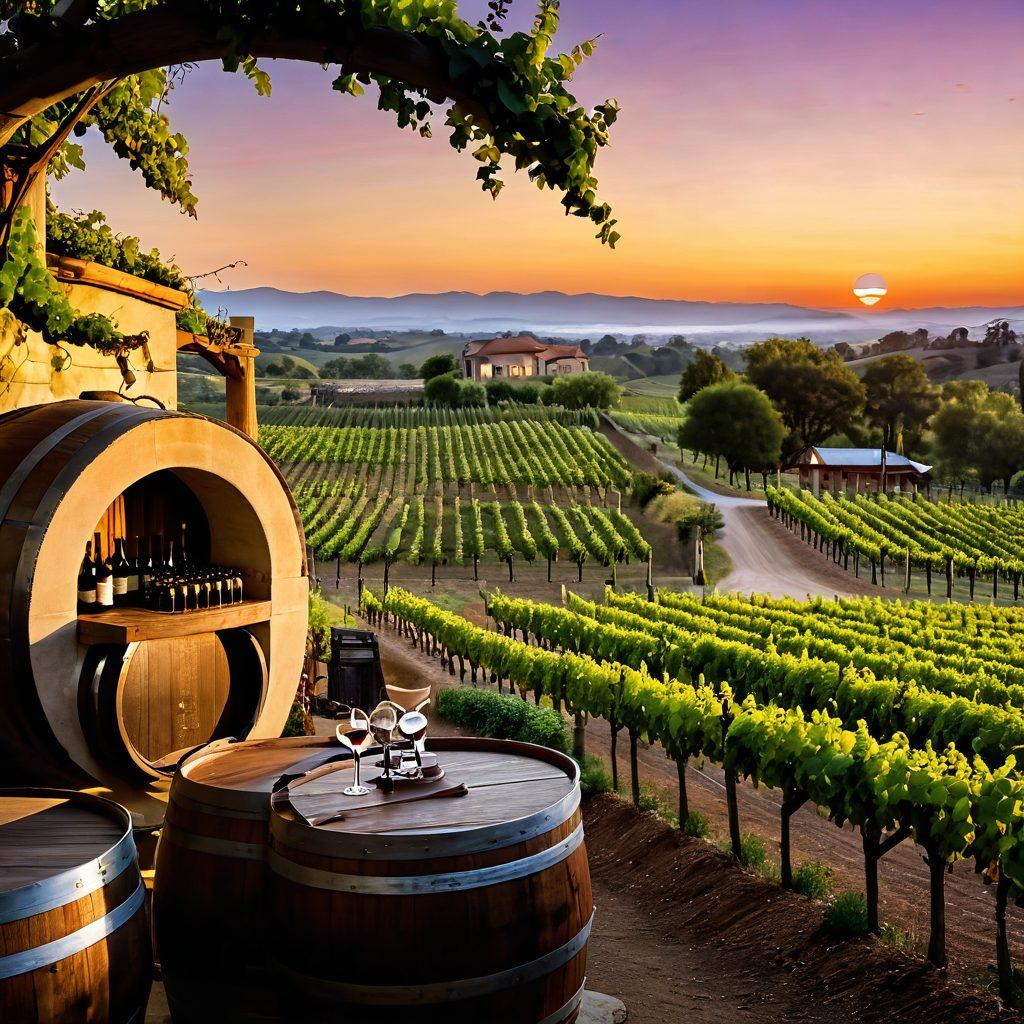
Imagine stepping into a world where the air is dense with the earthy aroma of grapes, sunlight filters through the lush vines, and every corner of a winery whispers stories of its heritage. Welcome to the intersection of wine culture and architecture, a realm where vineyard design and oenology architecture converge to create not just a place for wine production, but an experience that resonates with all the senses. Have you ever wondered how a simple building can transform wine appreciation into an art form?
In the heart of wine regions, from Napa Valley to Tuscany, the marriage of architectural features for wineries and viticulture architecture has never been more pronounced. It's not just about aesthetics; this blend influences wine commerce and the perception of a brand. With wine tourism architecture taking the lead, wineries are becoming destinations in themselves, inviting visitors to partake in a rich tapestry of experiences that reflect the essence of the grapes they savor. It’s a fine dance between functionality and beauty, and when executed well, it tells a story of terroir and tradition, innovation and sustainability.
Now, let’s talk about the integral aspects of creating elegant wine spaces through thoughtful wine cellar design and wine storage solutions. A well-designed wine cellar is more than just a climate-controlled room; it’s a celebration of the wine itself. As you meander through these stunning spaces, you not only appreciate the vintage bottles lining the walls but also the craftsmanship that has gone into the creation of the environment. Isn't it fascinating how contemporary winery design can evoke emotions just as deeply as the delicate flavors of a well-aged cabernet?
Sustainable wine architecture is also transforming the industry, aligning with a growing awareness of environmental stewardship. Imagine wineries that not only produce exceptional wine but also coexist harmoniously with nature, echoing the concept of sustainable viticulture. How can modern wine development prioritize eco-friendly designs without sacrificing style and luxury? It's a question many architects and winery owners grapple with as they strive for a balance that respects tradition while embracing innovation.
As we explore further, let’s not ignore the importance of wine branding in this intricate dance of wine and design. The visual identity of a winery can set it apart in a saturated market, making the architectural aesthetics of a wine estate just as critical as the wine inside the bottle. After all, a beautiful winery invites conversation and sparks curiosity. So, the next time you visit a winery, take a moment to appreciate the cultural architecture of wine that envelops you—every elegant detail is a reflection of a passion rooted deep in the soil, waiting to be experienced, shared, and celebrated.
Sustainable Beauty: Innovative Architecture for Modern Wineries and Vineyards
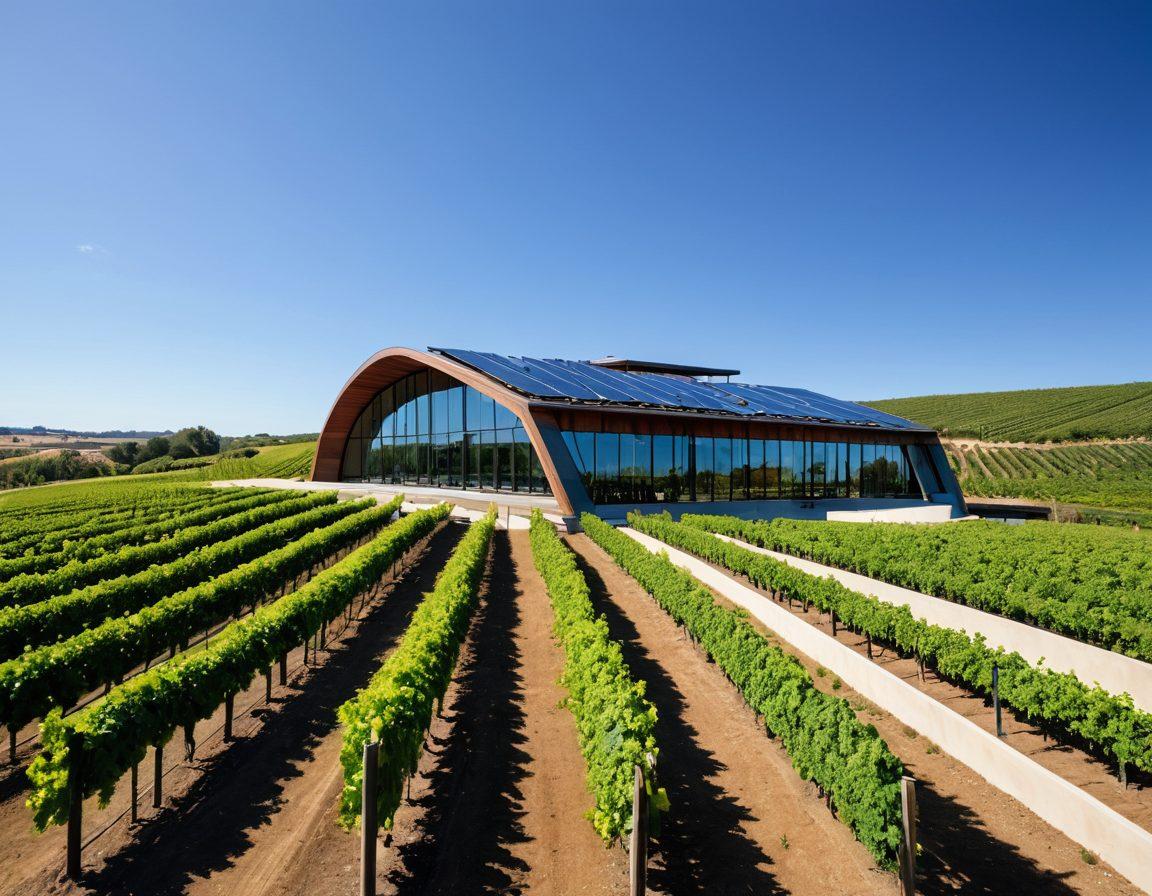
Picture this: rolling hills covered in lush green vines, sunlight dancing on bottles of finely curated wine, and a stunning winery that perfectly blends into this beautiful landscape. Sustainable beauty in modern wineries and vineyards is not just a trend; it's a movement. As we witness the rise of oenology architecture, it becomes crucial for wineries and vineyards to embrace architectural features that resonate with both the environment and wine culture. When done right, vineyard design can transform the winemaking experience and enhance wine tourism architecture.
Ever wondered how a winery can become a unique destination beyond just wine tastings? Enter sustainable wine architecture, where innovative designs and eco-friendly practices meet. Imagine wine facility design that incorporates renewable materials, maximizes natural light, and harmonizes with the surrounding landscape. These elements not only elevate wine aesthetics in architecture but also give visitors a sense of peace and connection to nature. The cultural architecture of wine goes beyond just aesthetics; it tells a story — a story of tradition, roots, and a commitment to preserving our planet while celebrating modern wine development.
The heart of any winery is undoubtedly the wine cellar design — a sophisticated and elegant wine space where magic happens. With contemporary winery design, architects are reimagining these spaces, incorporating wine storage solutions that ensure optimal aging while adding to the overall experience. Imagine walking through an underground wine cave, surrounded by rows of bottles, feeling the cool air as you inhale the rich aroma of aging wine. How can architects marry functionality with beauty to make these spaces not just storage, but an experience in itself?
As wine branding becomes more important in a crowded marketplace, wineries and architecture must work in tandem. How can a winery's design reflect its brand and values? Dynamic designs, like those seen in graceful wine estate design, allow wineries to stand out as landmarks in the landscape. Every corner, color choice, and architectural feature for wineries should communicate a story — a connection to the land, the people behind the bottles, and the unique terroir each vineyard represents. And let’s not forget how these placements can draw wine lovers from all corners of the globe, eager to experience the magic of wine in its birthplace.
In the end, the synergy between wine, sustainable design, and culture is what will create a lasting impact on both visitors and the community. Every vineyard design is an opportunity to create a dialogue — with nature, with guests, and with the history of winemaking. As we embark on this journey to explore the enchanting world of modern wineries, let's ponder: What does sustainable beauty mean to you? How can innovative architectures for vineyards not only preserve but also enhance our relationship with wine? Our future wineries should not only be places to taste and purchase wine but should also stand as a testament to our commitment to beauty, sustainability, and the rich culture of wine.
From Cellars to Tasting Rooms: Crafting Elegant Spaces in Wine Tourism
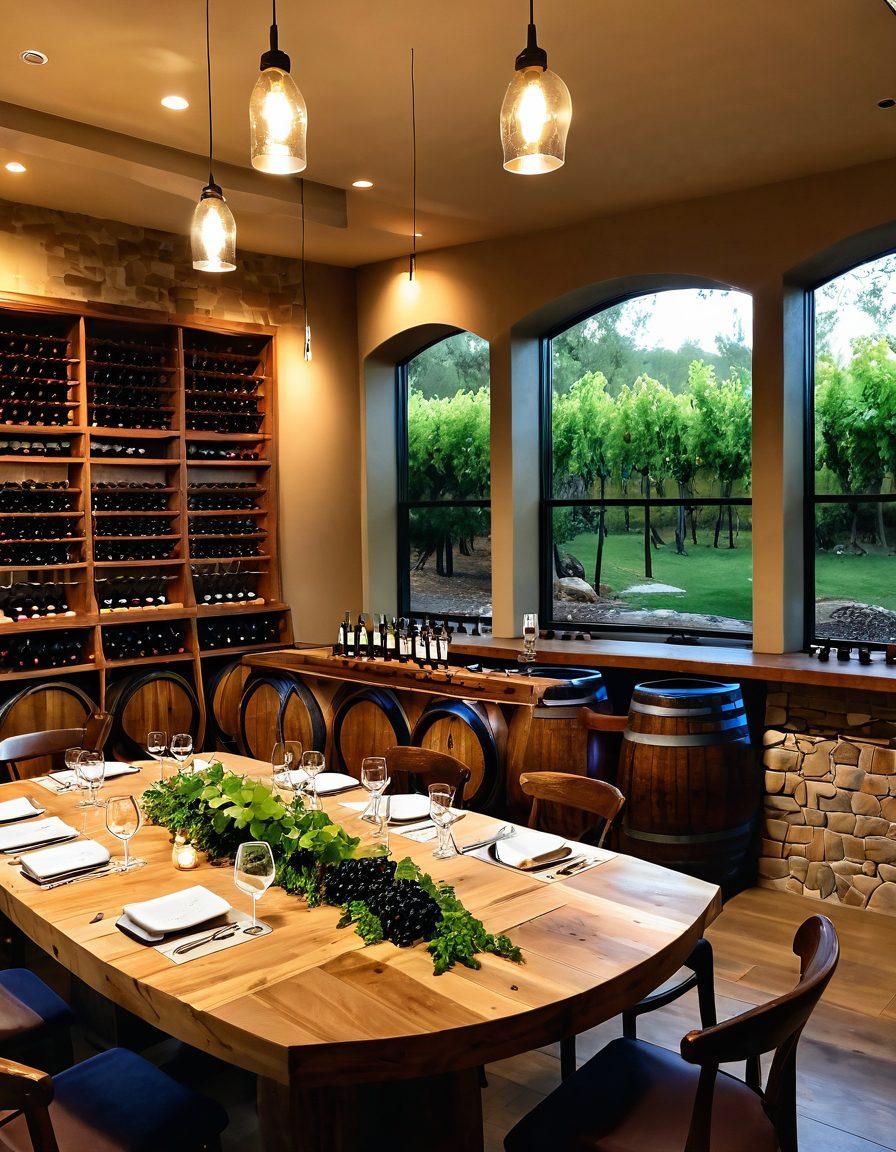
Imagine stepping into a beautifully designed tasting room, where the sunlight streams through large windows showcasing the breathtaking vineyard views outside. It's not just a space for tasting fine wines; it's an experience that intertwines oenology architecture with the artistry of wine culture. In today’s world of wine tourism, the layout and designs of wineries play a significant role in not only attracting visitors but also in enhancing the overall wine experience. How can wineries and vineyards elevate their spaces to reflect elegance and sophistication, while also promoting sustainability?
Crafting elegant spaces in wine tourism starts with understanding the essence of vineyard design. As visitors enter the winery, from spacious wine cellars to chic tasting rooms, each architectural feature should tell a story—the story of the land, the grapes, and thepeople who pour their hearts into viticulture architecture. Wouldn’t it be amazing to sip a rich Cabernet Sauvignon while surrounded by facilities that embody the flavors of the region? Creative wine facility design, incorporating modern aesthetics with traditional winery architecture, can create an atmosphere that resonates with wine lovers.
Much like a carefully curated wine selection, wine storage solutions must also reflect the values of the winery. Imagine a wine cellar design not only focused on functionality but also on elegance—each bottle displayed like a piece of art. By integrating sustainable wine architecture, wineries can not only showcase their commitment to the environment but also enhance the tactile experience for guests. Wine and design should harmoniously work together to create spaces that evoke emotion and appreciation for the viticultural profession. Wouldn't you want to pour a glass in a trendy yet rustic cellar that tells a tale of innovation and respect for tradition?
Wine branding marries seamlessly with wine aesthetics in architecture, creating a place that is reflective of the winery’s philosophy. A well-designed winery can serve as a cultural architecture of wine, inviting visitors to indulge not just in flavors but in a narrative. Take for example the sleek, contemporary winery design that captivates the imagination while respecting its historical roots. How can the blend of modern wine development and rustic charm inspire a deeper connection with guests? Let’s explore how these elegant wine spaces influence wine tourism and commerce.
Ultimately, each vineyard has the potential to become a destination, and with thoughtful consideration of architectural features for wineries, they can craft memorable experiences. From scenic vineyard architecture that captures the essence of the landscape to tasting rooms that wow the senses, wineries have a unique opportunity to be more than just places to sample wines. They can become vibrant hubs of culture and community, where visitors not only get to taste exquisite wines but also feel immersed in the story behind each sip. Isn't that what makes wine tourism so enriching?